The rule of thirds portrait helps photographers place subjects for more pleasing images. This guide explains the rule, shows how to use a grid while shooting, and points out common errors. It gives clear steps photographers can use on location or in the studio. The content stays practical and direct so readers can apply the rule quickly.
Key Takeaways
- The rule of thirds portrait enhances image balance by positioning the subject’s eyes or face near grid intersections to guide viewer focus naturally.
- Activating the camera grid helps photographers align subjects precisely and adjust pose, angle, and depth of field for strong compositions while shooting.
- For full-body or group portraits, placing torsos and eye-lines along vertical or horizontal thirds creates dynamic and well-balanced images.
- Avoid over-centering, poor headroom, and distracting background elements by using the rule of thirds portrait as a flexible guideline rather than a strict rule.
- Photographers can creatively break the rule of thirds portrait for symmetrical, impactful, or mood-driven shots, ensuring balance and eye placement remain intentional.
Why the Rule of Thirds Matters for Portraits
The rule of thirds portrait gives the subject a clear visual anchor. Photographers divide the frame into nine equal rectangles. They place the subject’s eyes or face near the intersecting lines. This placement creates balance and motion without centering the subject. It guides the viewer’s eye to the face and keeps background elements from competing. The rule of thirds portrait works for close-ups and wider shots. It reduces dead space and adds tension that feels natural. Photographers can use the rule as a starting point and refine pose and angle after they frame the shot.
Practical Step‑By‑Step: Using the Grid While Shooting
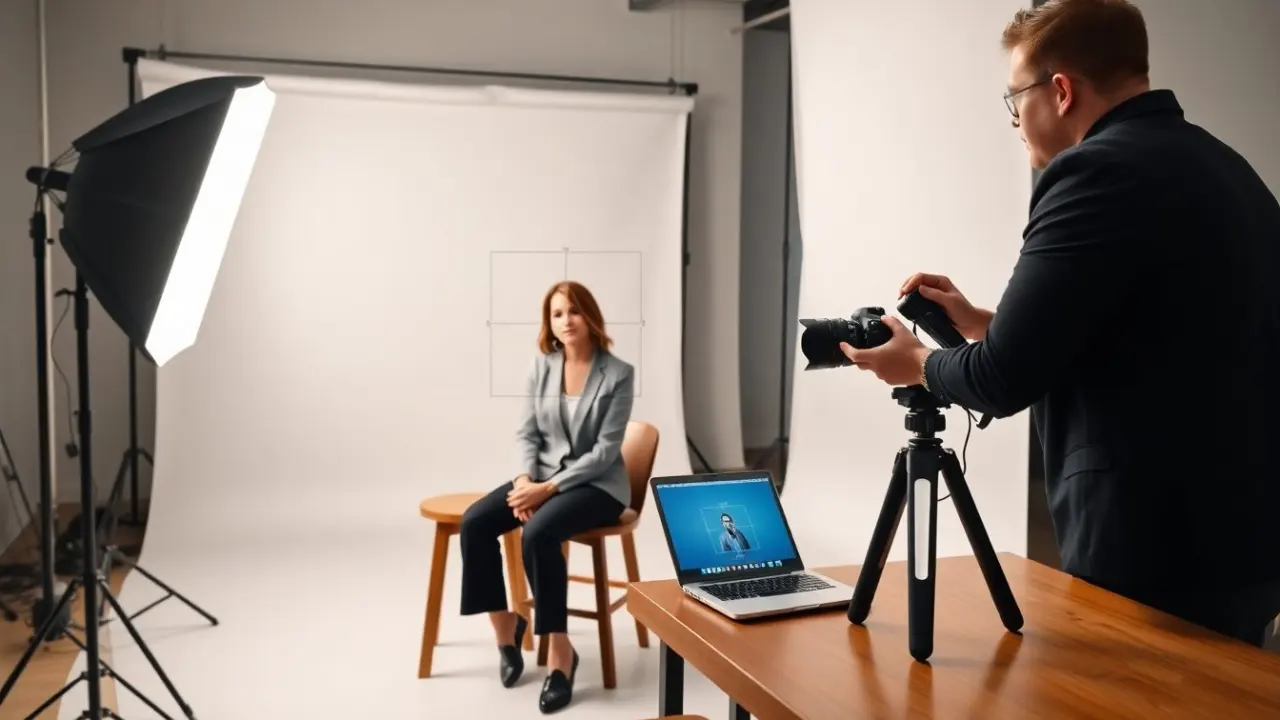
Photographers switch on the camera grid and check the light. They set exposure and focus before they frame the subject. They place the main subject near a strong point on the grid. They adjust pose and angle to keep eyes on a top horizontal line. They move forward or backward to change background compression. They change lens or aperture to control depth of field. They take test shots and review the balance of subject and background. They refine the pose until the composition feels right for the image.
Place the Eyes and Face on Strong Points
Photographers place the eyes at one of the top intersection points. They keep the nearest eye sharp and centered on that point. They tilt the head slightly to add a natural line toward the opposing intersection. They avoid placing the chin directly on a line that cuts through the neck. They check that hair or hat does not block the eye point. They use small shifts in body position to keep the face aligned with the grid.
Framing Full‑Body and Group Portraits With The Grid
Photographers place a subject’s torso along a vertical grid line for full‑body shots. They align a group so the group’s eye-line follows a horizontal third. They stagger people slightly to avoid a flat row. They use the lower third for ground or foreground details that add context. They leave space in the frame for motion if the subject will move. They watch for distracting objects that fall on the main intersection points.
Composition Tips and Common Mistakes to Avoid
Photographers use the rule of thirds portrait as a guideline, not a law. They avoid over-centering the subject unless they intend a formal look. They check headroom and avoid cutting at a joint such as the neck or wrist. They watch the background for elements that cross the grid and pull attention away. They keep the horizon or background lines on a horizontal third to maintain balance. They use shallow depth of field when the background competes with the subject. They avoid squeezing the subject against the frame edge. They recompose after focus lock when needed to keep eyes on a strong point.
When to Break the Rule: Creative Alternatives and Exceptions
Photographers break the rule of thirds portrait when they want symmetry or impact. Centered compositions create power and calm. Tight headshots often work best when centered. Photographers also place the eyes off-grid for a more dynamic feel in environmental portraits. They use negative space deliberately by centering and leaving room on one side. They try diagonal lines and triangular shapes to create energy that the grid cannot provide. They test both the grid and a centered approach and pick the result that fits the mood. They remember that breaking the rule still requires attention to balance and eye placement.