| Decision | Studio product photography | Lifestyle product photography | Planning use |
|---|---|---|---|
| Setting | Plain white background | A built or chosen set | Budget time for sourcing a set and props only for the lifestyle frames. |
| Light | Studio lighting with a simple background | Natural lighting, indoors or outdoors | Schedule lifestyle shoots around available daylight; studio frames do not depend on it. |
| Visual focus | Product design and features | Story-driven, real-life scenarios | Use studio frames to show detail and lifestyle frames to show how the product fits a day. |
| Where it works best | E-commerce listings and catalogs | Storytelling, social media and advertising | Assign each image to a placement before the shoot, so every scene has a job. |
Comparison based on ColorClipping’s guide to lifestyle ideas and Prodoto’s lifestyle shoot guide.
Lifestyle product photography places a product in a real-life scene to show how customers use it. Plan it alongside plain product shots, because listings and catalogs still rely on clear, simple product images.
If you are building a wider visual workflow, these photography tips for blog images cover the publishing side.
What lifestyle shots change for a website or listing
Lifestyle photography moves the job of an image from describing a product to telling a story around it. ColorClipping defines the style as story-driven images captured in real-life scenarios, and Threepod Studio calls the genre very conceptual compared with general product photography, with photos that are aspirational but still authentic. That has three practical consequences.
- The product is no longer the only subject. The scene, the props and any person in frame all compete for attention, so every element has to earn its place.
- Images get specific jobs. Product photography suits e-commerce listings and catalogs, while lifestyle images suit storytelling, social media and advertising. Decide which placement each frame serves before you shoot it.
- Lifestyle moves up the priority list. Prodoto argues that e-commerce brands should treat lifestyle photography as their main form of promotional content. Even if you accept that, a clean product frame remains the safer choice for a catalog grid.
Choosing between studio and lifestyle
- Pick studio frames when the buyer needs to inspect design and features, or when a marketplace listing expects a plain background.
- Pick lifestyle frames for a homepage banner, a category page header, a social post or an advertisement, where the image has to carry a mood.
- Shoot both when budget allows. Doing so lets one product page show detail and context without forcing a single image to do both jobs.
Planning scenes with a mood board and shot list
Planning is where a lifestyle shoot is won or lost, because the set, light and styling all follow from decisions made beforehand. Threepod Studio recommends creating a mood board to visualise all aspects of the project. A mood board gathers colour, texture and setting references in one place, so everyone styling or shooting works toward the same look.
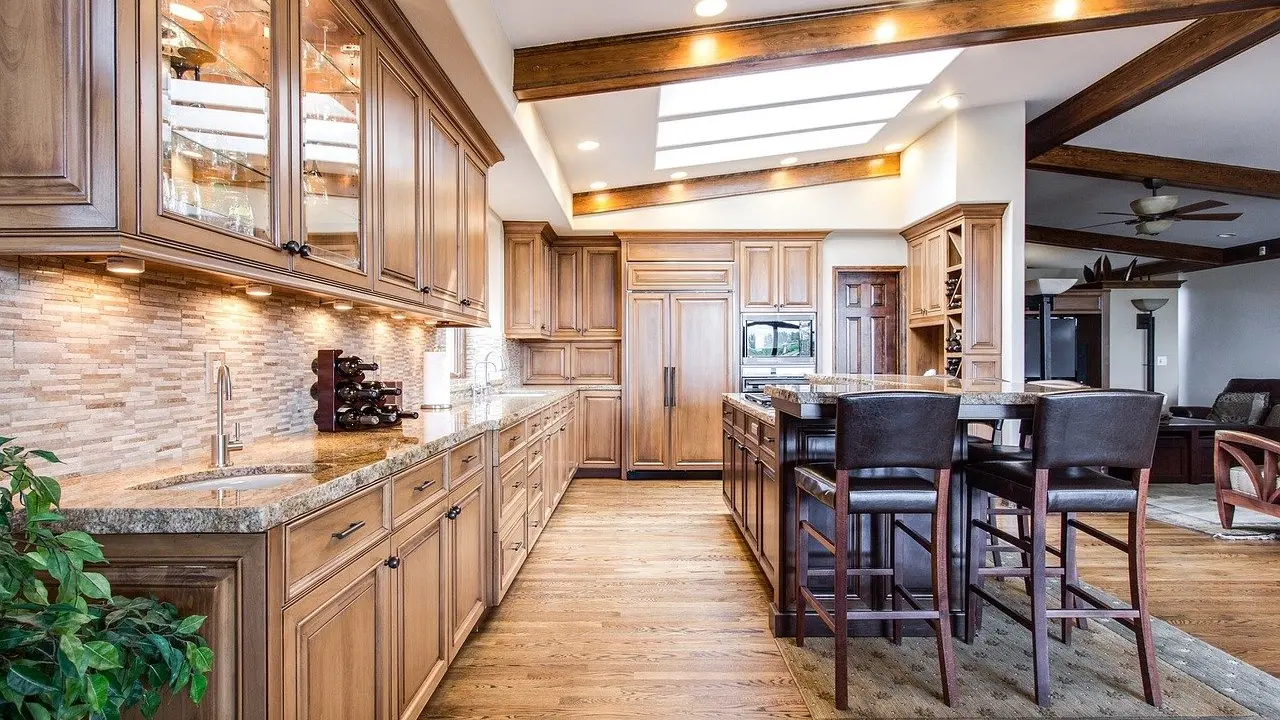
The location or background deserves early attention. Threepod Studio says it is responsible for the overall mood of the photos, so a kitchen table, a window seat and a garden bench will each say something different about the same product. Pick the setting that matches the customer you want the viewer to picture.

A shot list template
Prodoto advises writing out the shots you want to capture and storyboarding them to create a narrative. Threepod Studio suggests a shortlist with a quick sketch of each setup and composition. Cristy Cross adds that having the list ready makes shooting easier, while leaving room for spontaneous ideas. A simple template combines these suggestions, with one entry per planned frame:
- Shot name and placement: for example, a product-page banner or a social post, so the frame has a defined use.
- Setup sketch: a quick drawing of where the product, props and any person sit in the frame.
- Props: only the items that support the story in that scene.
- Person: whether someone appears in the frame and what they are doing with the product.
- Light and time: daylight conditions for that frame, and the planned slot to shoot it.
- Order in the story: where the frame falls in the narrative sequence of the storyboard.
- Open slot: space for an unplanned idea that appears while shooting.
Composition decisions made in the sketch stage, such as where the product sits in the frame, are easier to judge with examples. The Rule Of Thirds Examples: 7 Practical Compositions To Improve Your Photos In 2026 – Imagesup guide shows several of them.
Styling props and directing a model
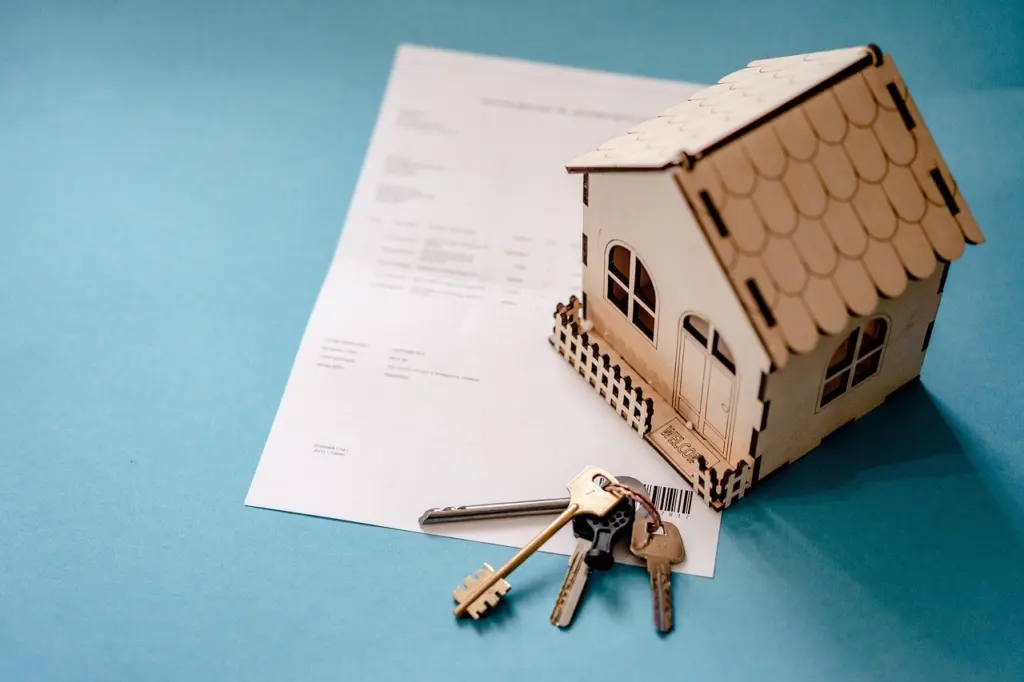
Good styling keeps the viewer’s eye on the product while the scene explains it. ColorClipping advises using props and models that complement the product, and the word that matters is complement. A prop that draws more attention than the product has failed, however attractive it looks.
Choosing and arranging props
- Match props to the customer. Items should look like part of the buyer’s routine, which supports the authentic tone Threepod Studio describes.
- Edit before you shoot. If a prop does not support the story in the sketch, leave it out of the scene.
- Bring in help for complex sets. Prodoto notes that a stylist can work with you on prop selection and arranging the set so it looks realistic.
Showing the product in use
Threepod Studio calls human presence the best way to show a product being used. A hand holding a cup or a person at a desk tells the viewer about scale and purpose faster than a prop arrangement can. Still, a person adds decisions about expression, pose and cost, so add one only for the frames where use is the point.
Natural light and gear
Natural light is the default for lifestyle work. ColorClipping calls natural lighting the best choice for lifestyle product photography, and Threepod Studio notes that many photographers shoot this type of work with natural light. Natural light suits the genre because the scenes are meant to look like real rooms and real days.
Timing the light
ColorClipping recommends early morning or golden hours and warns against shooting the product in direct sun at its peak, such as noon. If you plan an outdoor scene, schedule it for the softer ends of the day. For indoor scenes, check how the room’s light changes before you commit to a set position.
What gear you need
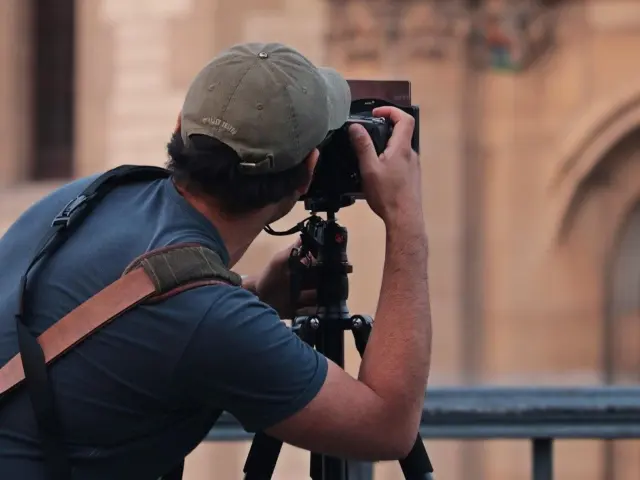
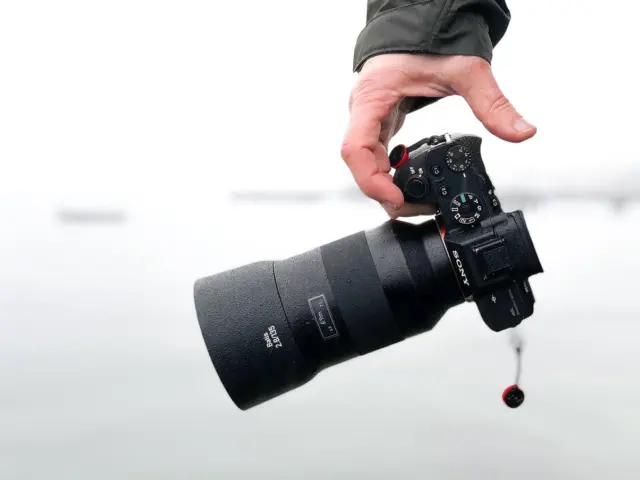
The core kit is modest. ColorClipping suggests a DSLR or mirrorless camera with a high-quality, carriable tripod, which keeps shots stable and sharp. Threepod Studio adds that artificial lighting is also used, from LED panels up to professional strobes. Treat these as an option for days when daylight cannot be controlled, not a requirement for every shoot.
Small, detailed products can need different handling from room-scale scenes. Sellers of those items can follow a category-specific guide on how to photograph jewelry.
Reviewing the results against the plan
After the shoot, compare each frame with the mood board and the shot list. Keep the frames where the product is clearly the subject, the scene matches the intended mood and the props support the story. Set aside frames where a prop pulls attention from the product, since that is the failure the styling advice is meant to prevent. Then match each keeper to its planned placement, whether a product page, a social post or an advertisement.
Frequently asked questions
Do I need a stylist for a lifestyle shoot?
No, but one helps on complex sets. Prodoto says a stylist can work with you on prop selection and arranging the scene so it looks realistic.
Does lifestyle photography have to be shot on location?
Not always. ProductPhotography.com states that it simulates locations using stock photography and AI tools, and that on-location shoots are not available from it. Other studios and photographers work differently, so confirm the approach before you book.
Do I have to include a model?
No. Prodoto presents models as a good addition if your budget allows, and advises checking usage fee requirements, because those fees can raise costs significantly.